How can we help you?

Recent Searches Clear All
    Underground Pipe Cleaning System: What you Need to Know

    Dec.05,2025

    Maintaining the cleanliness and functionality of underground pipes is essential to ensure the smooth flow of water, sewage, and other substances. Over time, these pipes can accumulate debris, sediment, and even blockages that hinder their performance. To tackle this issue, innovative solutions such as underground pipe cleaning systems have emerged. In this article, we will explore what you need to know about these systems and how they can help in keeping your underground pipes clean and efficient.


    Composition of Underground Pipe Cleaning System


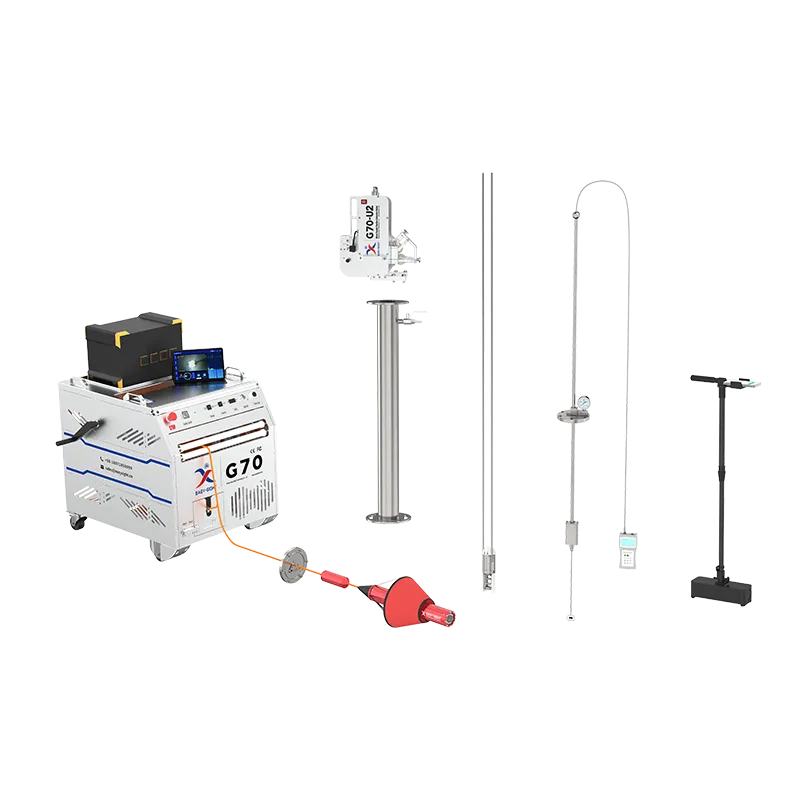
    One of the key components of an underground pipe cleaning system is the Grab-All. Just as its name suggests, the Grab-All is designed to pick up debris, garbage, or stones directly from the pipes. This ingenious device eliminates the need for manual intervention or extensive excavations to remove obstructions. The Grab-All operates by using its powerful suction to collect the unwanted materials from the pipes, leaving them clean and unobstructed. It's like having a handy vacuum cleaner specifically designed to clean the underground world of pipes. The Grab-All efficiently improves the flow and performance of your underground pipe network.


    In addition to the Grab-All, underground pipe cleaning systems often utilize jetting nozzles. These nozzles are connected to high-pressure water sources and can be inserted into the pipes to clean them thoroughly. The force of the water spray generated by the jetting nozzles is strong enough to dislodge accumulated sediment, grease, and other stubborn debris. It's like a pressure washer for your underground pipes, blasting away the buildup and restoring optimal flow. The combination of the Grab-All and jetting nozzles in an underground pipe cleaning system ensures a comprehensive cleaning process, addressing both solid debris and internal pipe residue.


    The Benefits of Underground Pipe Cleaning Systems


    Preventing Blockages and Damage


    Regular maintenance and cleaning of underground pipes using a pipe cleaning system can help prevent blockages and potential damage. By removing debris and obstructions, these systems ensure a smooth flow of liquids, preventing clogs and backups. Additionally, by eliminating buildup and residue, the risk of pipe corrosion and deterioration is reduced. It's like giving your pipes a spa treatment, rejuvenating them and extending their lifespan.


    Improving Efficiency and Performance


    Clean pipes are efficient pipes. An underground pipe cleaning system enhances the overall performance of your pipeline network. By removing obstructions and buildup, the flow rate improves, optimizing the transportation of water, sewage, or other substances. Increased efficiency translates into cost savings and a reduced risk of operational disruptions. It's like clearing a traffic jam in your pipes, allowing everything to flow smoothly.


    Environmental Friendliness


    Underground pipe cleaning systems offer an environmentally friendly solution for maintaining clean pipelines. With the ability to remove debris and residue without the need for harsh chemicals or invasive procedures, these systems minimize the environmental impact of pipe maintenance. They contribute to sustainable practices by promoting efficient water usage and reducing the need for costly and resource-intensive repairs. It's like taking care of your pipes while being mindful of the planet.


    An underground pipe cleaning system is a valuable asset in maintaining the cleanliness and efficiency of your pipeline network. By utilizing innovative devices such as the Grab-All and jetting nozzles, these systems ensure effective removal of debris, blockages, and buildup. The benefits of regular pipe cleaning include preventing blockages and damage, improving efficiency and performance, and promoting environmental friendliness. Embrace the power of underground pipe cleaning systems and enjoy the benefits of a clean and smoothly flowing underground world of pipes.


    Latest News

    • Dec.05,2025

      Overcoming Challenges Faced by Pipe Crawler Robots in Navigating Complex Pipe Networks

      In recent years, the use of pipe crawler robots has become increasingly prevalent in various industries such as oil and gas, water management, and construction. These innovative robots are designed to navigate through intricate pipe networks with ease, carrying out inspections, maintenance, and repairs efficiently. However, despite their advanced capabilities, pipe crawler robots face several challenges when operating in complex pipe networks. In this blog post, we will explore some of the common obstacles faced by these robots and how engineers are working to overcome them.

    • Dec.05,2025

      Inserted Lining High-Density Polyethylene (HDPE) Pipeline Repair Technology

      Inserted lining high-density polyethylene (HDPE) pipe is a brand new pipe rehabilitation technology. The technology is to insert a HDPE pipe of suitable size into the old pipe that needs to be repaired. It takes advantage of the rigidity and strength of the old pipeline as the bearing structure, as well as the characteristics of HDPE pipe's corrosion resistance, wear resistance and permeability resistance, to form a "pipe in pipe" composite structure, so that the repaired pipeline has the comprehensive performance of steel pipe and HDPE pipe. This technology, by using the feature of HDPE pipe that it can automatically recover its original physical shape after deformation, is to retract HDPE pipe with special equipment. Before inserting, the lining pipe is pulled into the target pipe with a certain traction force as well as speed. Then the pulling force is removed and the liner is restored to its original diameter and tightly bonded with the outer pipe. The outer diameter of the lineing pipe is slightly larger than the inner diameter of the original tube. After the lining is completed, the lining pipe and the original tube are firmly combined and the thickness of the liner can be designed according to the needs.

    • Dec.05,2025

      Trenchless Rehabilitation Technology and Application of Pipeline Lining

      Since the rise of pipeline trenchless rehabilitation technology in developed countries in the 1980s, it has become a widely used method for underground pipeline rehabilitation. By avoiding large-scale excavation, this technology reduces the impact on urban traffic, the environment, and residents' lives, hence gaining extensive attention and preference. This article will provide a detailed introduction to the main methods and application fields of trenchless rehabilitation technology and analyze its important role in urban network renovation.

    Get Friendly Advice, Tailored to You!

    Let's Talk About Your Project

    • Afghanistan
    • Albania
    • Algeria
    • American Samoa
    • Andorra
    • Angola
    • Anguilla
    • Antarctica
    • Antigua and Barbuda
    • Argentina
    • Armenia
    • Aruba
    • Australia
    • Austria
    • Azerbaijan
    • Bahamas
    • Bahrain
    • Bangladesh
    • Barbados
    • Belarus
    • Belgium
    • Belize
    • Benin
    • Bermuda
    • BBhutan
    • Bolivia
    • Bosnia and Herzegovina
    • Botswana
    • Bouvet Island
    • Brazil
    • British Indian Ocean Territory
    • Brunei Darussalam
    • Bulgaria
    • Burkina Faso
    • Burundi
    • Cambodia
    • Cameroon
    • Canada
    • Cape Verde
    • Cayman Islands
    • Central African Republic
    • Chad
    • Chile
    • China
    • Christmas Island
    • Cocos (Keeling) Islands
    • Colombia
    • Comoros
    • Congo
    • Cook Islands
    • Costa Rica
    • Cote D'Ivoire
    • Croatia
    • Cuba
    • Cyprus
    • Czech Republic
    • Denmark
    • Djibouti
    • Dominica
    • East Timor
    • Ecuador
    • Egypt
    • El Salvador
    • Equatorial Guinea
    • Eritrea
    • Estonia
    • Ethiopia
    • Falkland Islands (Malvinas)
    • Faroe Islands
    • Fiji
    • Finland
    • France, Metropolitan
    • French Guiana
    • French Polynesia
    • Gabon
    • Gambia
    • Georgia
    • Germany
    • Ghana
    • Gibraltar
    • Greece
    • Greenland
    • Grenada
    • Guadeloupe
    • Guam
    • Guatemala
    • Guinea
    • Guinea-Bissau
    • Guyana
    • Haiti
    • Honduras
    • Hong Kong, China
    • Hungary
    • Iceland
    • India
    • Indonesia
    • Iran (Islamic Republic of)
    • Iraq
    • Ireland
    • Israel
    • Italy
    • Jamaica
    • Japan
    • Jordan
    • Kazakhstan
    • Kenya
    • Kiribati
    • North Korea
    • South Korea
    • Kuwait
    • Kyrgyzstan
    • Lao People's Democratic Republic
    • Latvia
    • Lebanon
    • Lesotho
    • Liberia
    • Libyan Arab Jamahiriya
    • Liechtenstein
    • Lithuania
    • Luxembourg
    • Macau
    • Madagascar
    • Malawi
    • Malaysia
    • Maldives
    • Mali
    • Malta
    • Marshall Islands
    • Martinique
    • Mauritania
    • Mauritius
    • Mayotte
    • Mexico
    • Micronesia
    • Moldova
    • Monaco
    • Mongolia
    • Montserrat
    • Morocco
    • Mozambique
    • Myanmar
    • Namibia
    • Nauru
    • Nepal
    • Netherlands
    • New Caledonia
    • New Zealand
    • Nicaragua
    • Niger
    • Nigeria
    • Niue
    • Norfolk Island
    • Northern Mariana Islands
    • Norway
    • Oman
    • Pakistan
    • Palau
    • Panama
    • Papua New Guinea
    • Paraguay
    • Peru
    • Philippines
    • Pitcairn
    • Poland
    • Portugal
    • Puerto Rico
    • Qatar
    • Reunion
    • Romania
    • Russian Federation
    • Rwanda
    • Saint Kitts and Nevis
    • Saint Lucia
    • Saint Vincent and the Grenadines
    • Samoa
    • San Marino
    • Saudi Arabia
    • Senegal
    • Seychelles
    • Sierra Leone
    • Singapore
    • Slovak Republic
    • Slovenia
    • Solomon Islands
    • Somalia
    • South Africa
    • Spain
    • Sri Lanka
    • St. Helena
    • Sudan
    • Suriname
    • Swaziland
    • Sweden
    • Switzerland
    • Syrian Arab Republic
    • Taiwan, China
    • Tajikistan
    • Tanzania
    • Thailand
    • Togo
    • Tokelau
    • Tonga
    • Trinidad and Tobago
    • Tunisia
    • Turkey
    • Turkmenistan
    • Turks and Caicos Islands
    • Tuvalu
    • Uganda
    • Ukraine
    • United Arab Emirates
    • United Kingdom
    • United States
    • Uruguay
    • Uzbekistan
    • Vanuatu
    • Vatican City State (Holy See)
    • Venezuela
    • Viet Nam
    • Virgin Islands (U.S.)
    • Wallis and Futuna Islands
    • Western Sahara
    • Yemen
    • Zambia
    • Zimbabwe
    • Montenegro
    • Serbia
    • Palestine
    • South Sudan
    • Jersey
    sales@easysight.cn
    +86 188 7185 8099