How can we help you?
Recent Searches Clear All
News
For the inspection, repair, operation, and digital management of urban water supply and drainage networks
Dec.05,2025
When it comes to maintaining the integrity of underground pipelines, inspections play a crucial role in identifying potential issues before they escalate into major problems. Regular inspections can help prevent leaks, bursts, and other costly damages that can disrupt utility services and cause environmental hazards. In this blog, we will discuss some of the common issues found during underground pipe inspections and why it's important to conduct these inspections regularly.
Substance Buildup
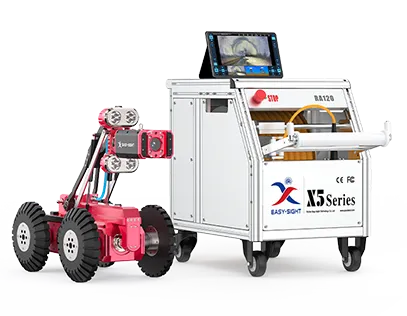
One of the most common issues encountered during underground pipe inspections is substance buildup. Over time, pipes can accumulate debris, sediment, and other substances that can restrict the flow of water or sewage. Buildup can cause blockages, which can lead to backups and overflows. Inspectors often use specialized cameras to assess the extent of buildup and determine the best course of action for removal. Regular inspections can help detect buildup early on and prevent it from causing severe obstructions in the pipeline.
Corrosion
Another prevalent issue that underground pipe inspections may reveal is corrosion. Corrosion occurs when pipes are exposed to moisture, chemicals, or other corrosive materials, causing the metal to deteriorate over time. Corrosion weakens the structural integrity of pipes, making them more susceptible to leaks and ruptures. Inspectors use various techniques, such as electromagnetic testing and ultrasonic technology, to detect signs of corrosion and assess the condition of the pipes. Addressing corroded pipes promptly is crucial to prevent catastrophic failures and ensure the longevity of the pipeline system.
Leaks and Cracks
Leaks and cracks are also common findings during underground pipe inspections. These issues can occur due to age, wear and tear, ground movement, or excessive pressure within the pipeline. Even small leaks can lead to significant water loss, contamination of groundwater, and damage to surrounding structures. Inspectors typically conduct pressure tests, visual inspections, and acoustic surveys to pinpoint the location and severity of leaks and cracks. Prompt repair or replacement of damaged sections is essential to prevent further deterioration and maintain the efficiency of the pipeline network.
The Importance of Regular Inspections
Regular underground pipe inspections are essential for identifying and addressing potential issues before they escalate into emergencies. By detecting problems early on, maintenance crews can implement proactive measures to prevent costly repairs, service disruptions, and environmental hazards. Inspections also help ensure compliance with regulatory standards and promote the safe and efficient operation of utility systems.
In conclusion, underground pipe inspections are critical for maintaining the reliability and safety of pipeline infrastructure. By proactively identifying and addressing common issues like substance buildup, corrosion, leaks, and cracks, utility providers can extend the lifespan of their pipelines and prevent costly damages. Investing in regular inspections not only protects the environment and public health but also helps utilities deliver uninterrupted services to customers. Remember, prevention is always better than cure when it comes to underground pipelines.
Latest News
Sep.18,2026
Common Problems Detected by Modern Pipe Inspection Equipment
Sep.17,2026
Pipe Inspection Equipment Cost Factors: What Affects the Investment?
Sep.16,2026
Pipe Inspection Equipment Selection Guide for Different Pipeline Diameters
Get Friendly Advice, Tailored to You!
Let's Talk About Your Project