How can we help you?
Recent Searches Clear All
News
For the inspection, repair, operation, and digital management of urban water supply and drainage networks
Dec.05,2025
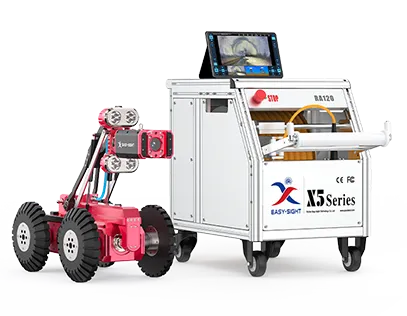
Have you ever wondered how underground sewer pipelines are inspected and maintained? Well, there's a remarkable technology called the CCTV Pipeline Sewer Inspection Crawler that plays a crucial role in this process.
Urban Sewer Systems: CCTV Pipeline Sewer Inspection Crawler Ensuring Efficient Maintenance
In densely populated urban areas, sewer systems are the lifeline that keeps the city running smoothly. However, regular maintenance and inspections are essential to prevent blockages, leaks, or other issues that could disrupt the entire system. This is where the CCTV Pipeline Sewer Inspection Crawler proves its worth. By navigating through the intricate network of underground pipelines, this crawler captures high-resolution visuals of the sewer interior. It allows inspectors to identify potential problems, such as cracks, corrosion, or debris buildup. With this valuable information, maintenance crews can take prompt action to prevent costly and inconvenient sewer system failures.
Industrial Complexes: CCTV Pipeline Sewer Inspection Crawler Safeguarding Productivity and Environment
In industrial complexes, pipelines play a vital role in transporting various materials and waste products. Ensuring the integrity of these pipelines is crucial for both productivity and environmental protection. The CCTV Pipeline Sewer Inspection Crawler is an indispensable tool in inspecting pipelines within industrial facilities. By carefully maneuvering through the intricate network of pipes, it captures detailed images and videos of the interior. This allows inspectors to identify issues such as leaks, blockages, or structural damage that could disrupt operations or pose environmental hazards. By proactively addressing these concerns, industrial complexes can safeguard their productivity, reputation, and the environment.
Municipal Infrastructure: CCTV Pipeline Sewer Inspection Crawler Preserving Public Safety
Municipalities are responsible for maintaining critical infrastructure, including sewer pipelines. The condition of these pipelines directly impacts public safety and the quality of life in communities. The CCTV Pipeline Sewer Inspection Crawler is a game-changer in this context. It enables inspectors to thoroughly assess the condition of municipal sewer systems, identifying potential risks such as pipe deterioration, root intrusions, or blockages caused by debris or fat buildup. By promptly addressing these issues, municipalities can mitigate the risk of sewer backups, overflows, or contamination incidents that could jeopardize public health and safety.
Rural Areas and Remote Locations: CCTV Pipeline Sewer Inspection Crawler Overcoming Accessibility Challenges
Inspecting sewer pipelines in rural areas or remote locations can be particularly challenging due to limited accessibility. However, the CCTV Pipeline Sewer Inspection Crawler excels in overcoming these obstacles. Its compact and versatile design allows it to navigate through pipes of various sizes, even in challenging terrains. By capturing real-time visuals of the pipeline interior, inspectors can remotely assess the condition of the sewer system without the need for extensive excavation or manual inspections. This significantly reduces costs, saves time, and improves the overall efficiency of pipeline management in rural and remote areas.
By utilizing this innovative technology, organizations and municipalities can ensure efficient maintenance, safeguard productivity and the environment, preserve public safety, and overcome accessibility challenges. The CCTV Pipeline Sewer Inspection Crawler truly revolutionizes the way we inspect and manage sewer pipelines, paving the way for more proactive and effective maintenance strategies. So, next time you encounter a well-functioning sewer system, remember the unseen hero working tirelessly beneath the surface - the CCTV Pipeline Sewer Inspection Crawler.
Latest News
Sep.18,2026
Common Problems Detected by Modern Pipe Inspection Equipment
Sep.17,2026
Pipe Inspection Equipment Cost Factors: What Affects the Investment?
Sep.16,2026
Pipe Inspection Equipment Selection Guide for Different Pipeline Diameters
Get Friendly Advice, Tailored to You!
Let's Talk About Your Project