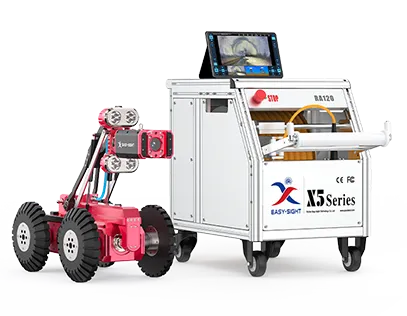
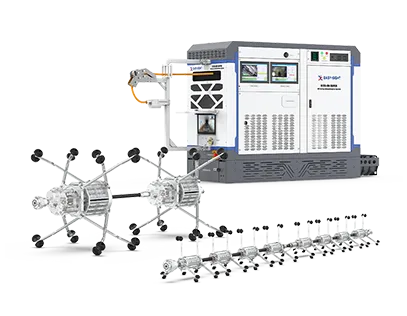
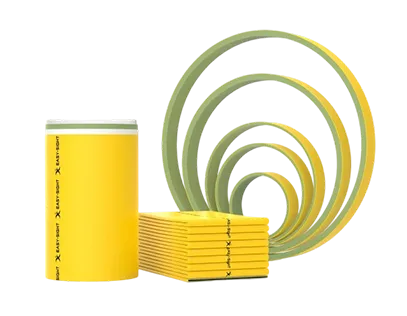
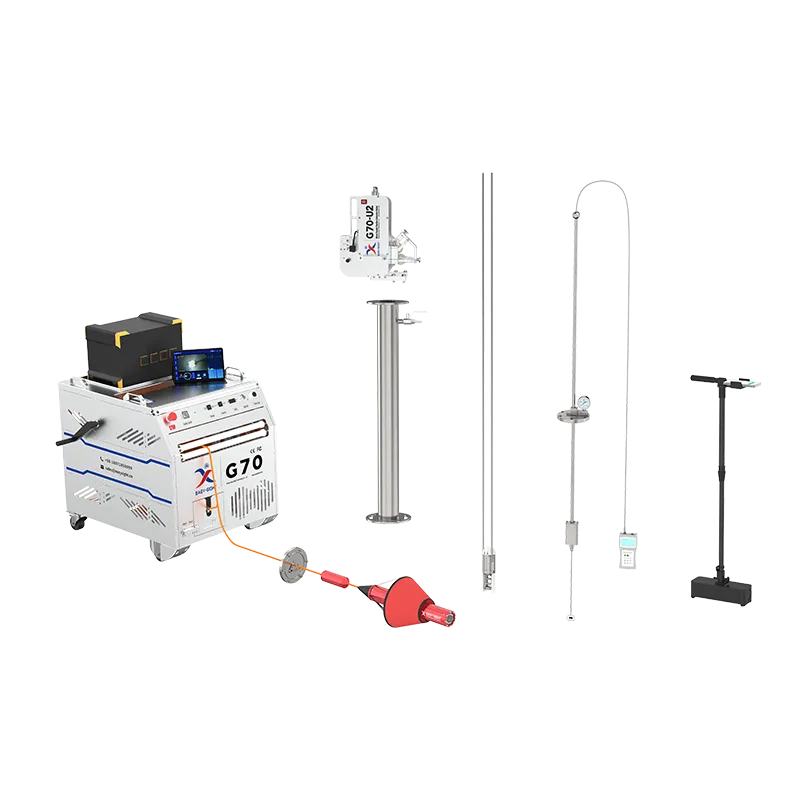
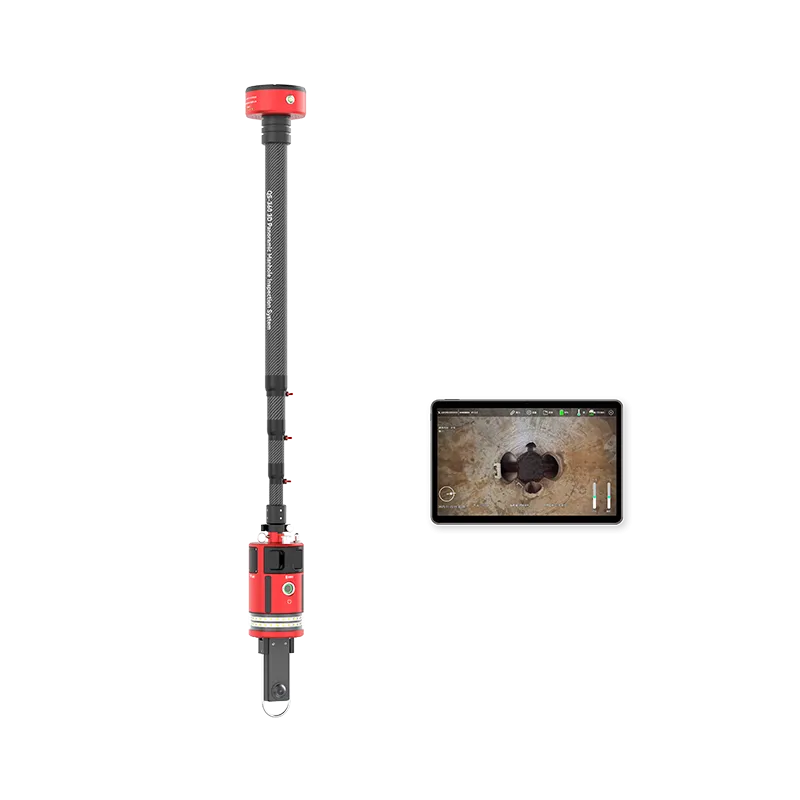
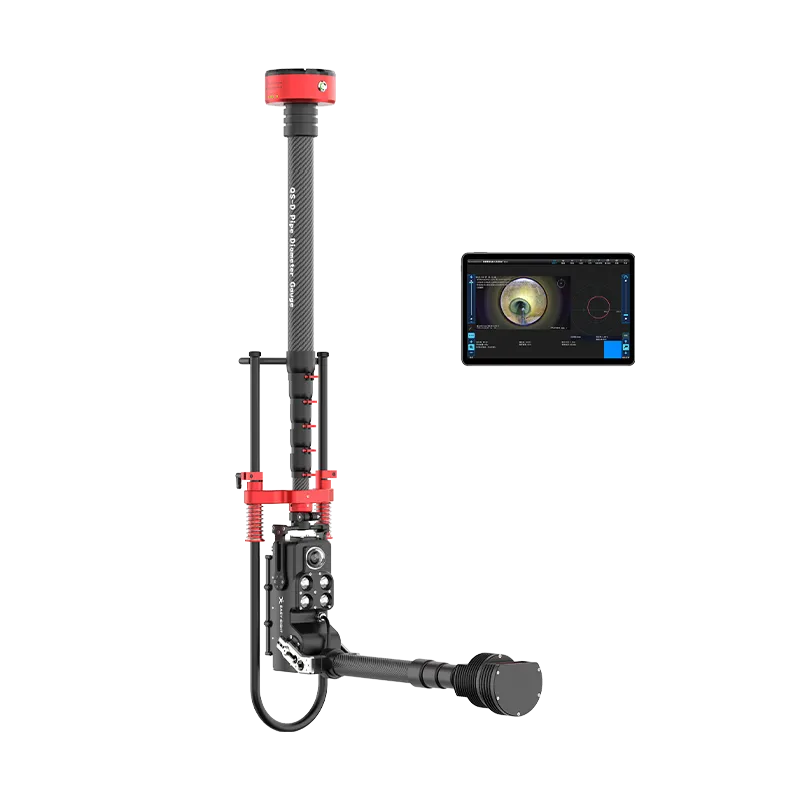
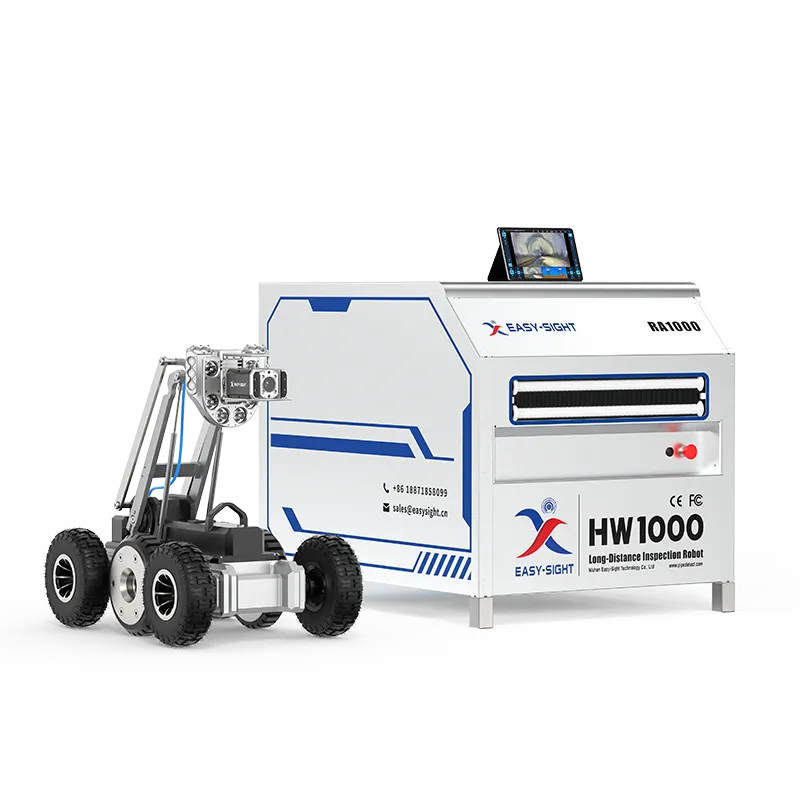
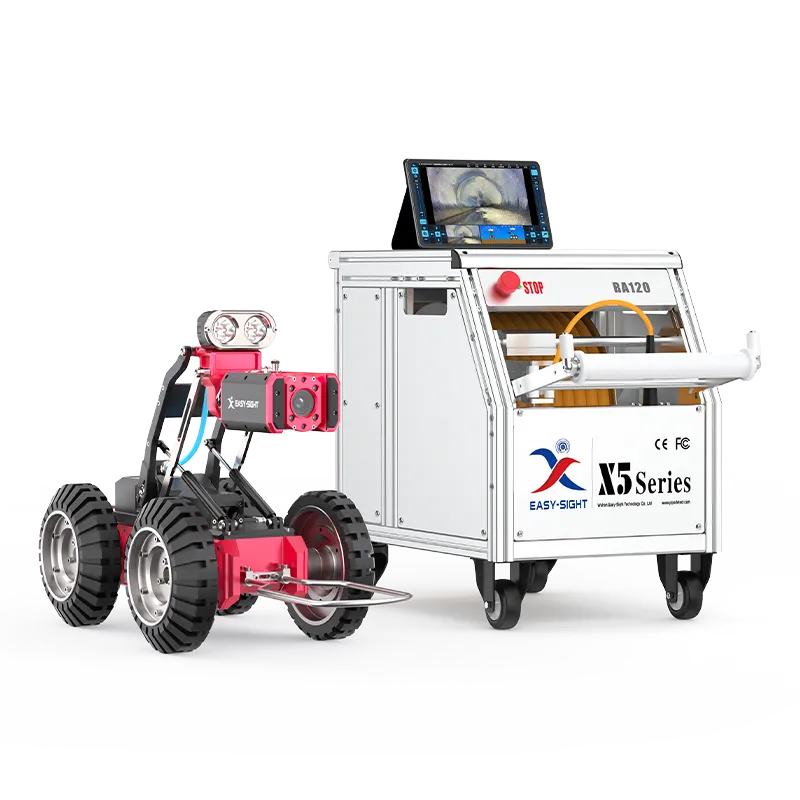
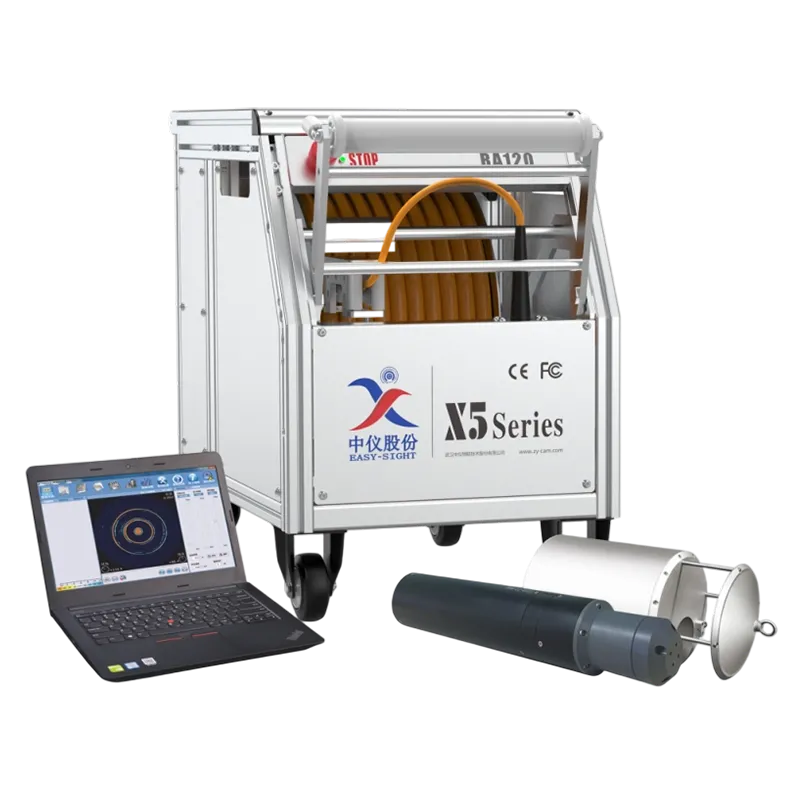
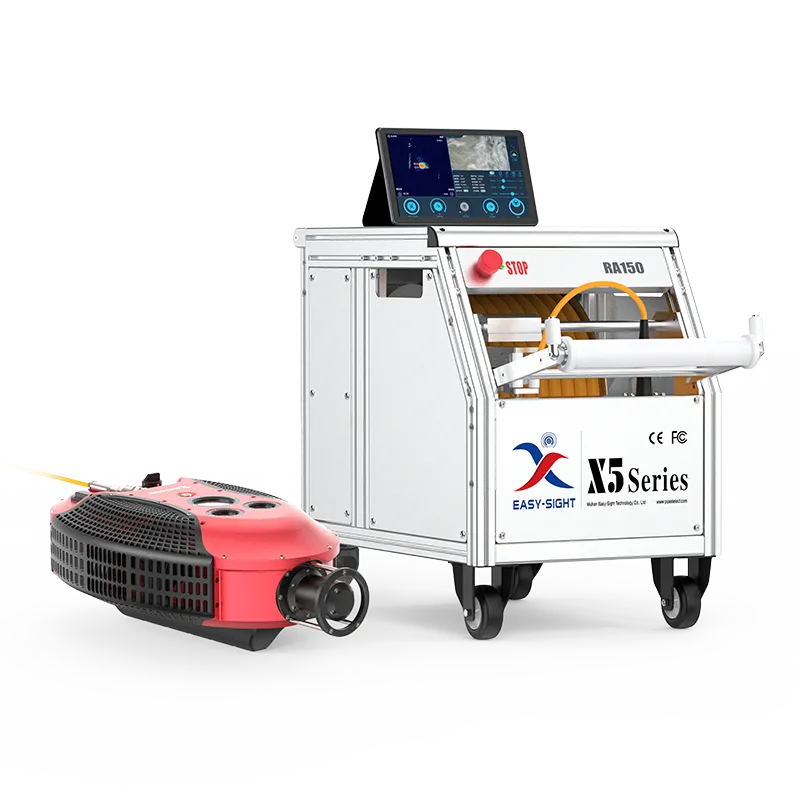
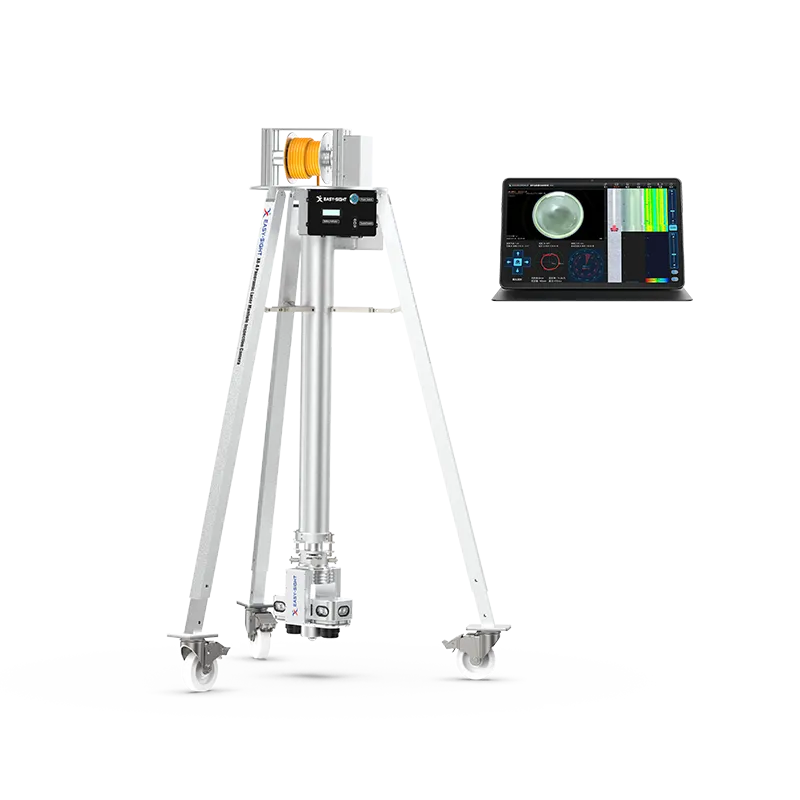
Pipeline inspection robots are advanced robotic systems designed to inspect, monitor, and analyze the internal conditions of pipelines. These intelligent devices are widely used in industries such as oil and gas, water supply, sewage systems, and chemical transportation. By using sensors, cameras, and navigation technologies, pipeline inspection robots help detect leaks, corrosion, blockages, and structural defects without requiring excavation or shutdown of the pipeline system.
In modern infrastructure management, the use of pipeline inspection robots has become essential due to increasing demands for safety, efficiency, and cost reduction. These systems significantly improve maintenance accuracy while minimizing human risk and operational downtime.
Introduction to Pipeline Inspection Robots
Pipeline systems are critical for transporting essential resources such as water, oil, gas, and industrial chemicals. However, over time, these pipelines may suffer from wear and tear, corrosion, or external damage. Traditional inspection methods often require manual labor or system shutdowns, which can be expensive and time-consuming.
This is where pipeline inspection robots come in. These robots are designed to travel through pipelines of various sizes and materials, capturing real-time data and high-resolution images. They provide engineers with detailed insights into pipeline health without disrupting operations.
Companies like Easy-Sight have contributed significantly to the development of advanced inspection technologies, helping industries adopt smarter pipeline monitoring solutions.
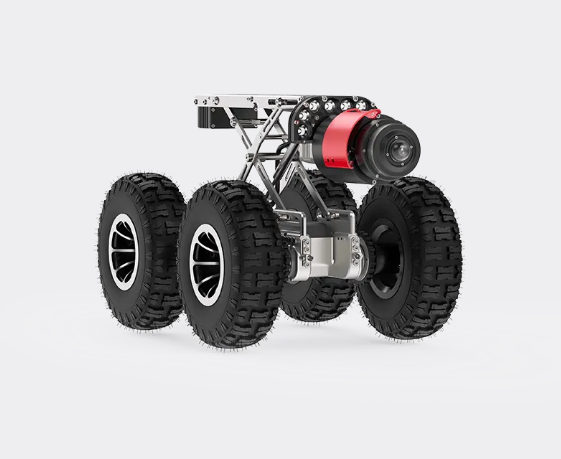
How Pipeline Inspection Robots Work
The working principle of pipeline inspection robots is based on mobility, sensing, and data transmission. These robots are typically inserted into pipelines through access points and then navigate through the system using wheels, tracks, or modular movement mechanisms.
Once inside, they use a combination of sensors and cameras to collect data. This data is transmitted in real time or stored for later analysis. Operators can monitor pipeline conditions remotely through control systems.
Key Components of Pipeline Inspection Robots
High-definition cameras: Provide visual inspection of internal pipeline conditions.
Ultrasonic sensors: Detect thickness loss and corrosion.
Magnetic sensors: Identify cracks and structural weaknesses.
Lighting systems: Ensure clear visibility inside dark pipelines.
Control systems: Allow operators to navigate and control robot movement.
These components work together to ensure accurate and reliable pipeline diagnostics.
Types of Pipeline Inspection Robots
There are several types of pipeline inspection robots depending on their application and pipeline environment.
1. Crawling Robots
Crawling robots are the most common type. They move through pipelines using wheels or tracks and are ideal for medium to large diameter pipes.
2. Magnetic Wall-Climbing Robots
These robots are used in metal pipelines and can attach themselves to vertical or curved surfaces using magnetic force.
3. Autonomous Smart Robots
Equipped with AI and navigation systems, these robots can independently navigate complex pipeline networks and make real-time decisions.
4. Miniature Robots
Designed for small-diameter pipelines, these robots are highly flexible and can access narrow or hard-to-reach areas.
Advanced manufacturers, including Easy-Sight, offer customized robotic solutions for different industrial requirements.
Applications of Pipeline Inspection Robots
Pipeline inspection robots are widely used across multiple industries due to their versatility and efficiency.
Oil and Gas Industry
They help detect corrosion, cracks, and leakage in long-distance oil and gas pipelines, ensuring safety and reducing environmental risks.
Water Supply Systems
Municipal water systems rely on pipeline inspection robots to detect leaks and maintain clean water distribution networks.
Wastewater and Sewage Systems
These robots inspect sewage pipelines for blockages, sediment buildup, and structural damage.
Chemical Industry
They are used to ensure safe transportation of hazardous chemicals by identifying pipeline weaknesses early.
Benefits of Using Pipeline Inspection Robots
The adoption of pipeline inspection robots brings numerous advantages to industries.
Improved Safety
Robots eliminate the need for human entry into hazardous environments, reducing safety risks significantly.
Cost Efficiency
By reducing downtime and minimizing excavation needs, companies save substantial maintenance costs.
High Accuracy
Advanced sensors provide precise data, allowing for early detection of potential problems.
Real-Time Monitoring
Operators can receive live feedback and make immediate decisions based on inspection results.
Environmental Protection
Early leak detection helps prevent environmental contamination and resource loss.
Technology Behind Pipeline Inspection Robots
Modern pipeline inspection robots integrate several advanced technologies to improve performance and reliability.
Artificial Intelligence (AI)
AI helps analyze collected data and predict pipeline failures before they occur.
Machine Vision
High-resolution imaging systems allow detailed visual inspection of internal surfaces.
Wireless Communication
Robots transmit data in real time using wireless or tethered communication systems.
Sensor Fusion
Combining multiple sensors improves accuracy and reduces false readings.
These technologies make pipeline inspection smarter and more efficient than ever before.
Challenges in Pipeline Inspection Robotics
Despite their advantages, pipeline inspection robots also face certain challenges.
One major challenge is navigating complex pipeline networks with sharp bends or varying diameters. Battery life and communication signal strength can also limit operational range. Additionally, high initial investment costs may discourage small companies from adopting this technology.
However, continuous innovation by companies such as Easy-Sight is helping overcome these limitations through improved design and smarter systems.
Future of Pipeline Inspection Robots
The future of pipeline inspection robots is highly promising. With advancements in AI, robotics, and sensor technology, these systems are expected to become more autonomous, accurate, and affordable.
In the coming years, we can expect robots capable of self-repair, longer operational ranges, and enhanced predictive maintenance capabilities. Integration with cloud-based systems will also allow centralized monitoring of entire pipeline networks.
Conclusion
Pipeline inspection robots are revolutionizing the way industries maintain and manage critical infrastructure. By combining robotics, AI, and advanced sensing technologies, they provide safe, accurate, and cost-effective pipeline monitoring solutions.
From oil and gas to water and sewage systems, these robots play a vital role in ensuring operational efficiency and environmental safety. As technology continues to evolve, their importance will only grow further in modern industrial applications.

FAQs
1. What are pipeline inspection robots used for?
Pipeline inspection robots are used to inspect internal pipeline conditions such as corrosion, cracks, leaks, and blockages. They are widely used in oil, gas, water, and sewage systems to ensure safety and efficiency without shutting down operations.
2. How do pipeline inspection robots navigate inside pipelines?
These robots navigate using wheels, tracks, or magnetic systems depending on the pipeline type. They are guided either remotely or autonomously using sensors, cameras, and control systems that help them move through complex pipeline networks.
3. What industries benefit most from pipeline inspection robots?
Industries such as oil and gas, municipal water supply, wastewater management, and chemical processing benefit the most. These sectors rely on pipelines for transportation and require continuous monitoring for safety and efficiency.
4. Are pipeline inspection robots expensive?
The initial investment can be high, especially for advanced robotic systems. However, they significantly reduce long-term maintenance costs, prevent major failures, and minimize downtime, making them cost-effective over time.
5. What is the future of pipeline inspection robots?
The future includes more AI-driven automation, improved mobility, and better predictive maintenance capabilities. Robots will become more intelligent, capable of real-time decision-making, and integrated with cloud-based monitoring systems.