How can we help you?

Recent Searches Clear All

    What is a Drain Inspection Camera & How Does it Work?

    Mar.20,2026

    Maintaining plumbing systems can be a daunting task, especially when problems occur deep inside pipes or drains. Traditional inspection methods often require dismantling or guesswork, leading to costly repairs. This is where a drain inspection camera comes in. Also known as a sewer camera or pipe inspection camera, this innovative tool allows plumbers, contractors, and homeowners to see inside pipes, locate blockages, and diagnose issues accurately without unnecessary excavation.

    With brands like Easy-Sight providing user-friendly, high-resolution inspection cameras, understanding the inner workings of your plumbing system has never been easier. In this article, we’ll explore what drain inspection cameras are, how they function, their types, benefits, and practical applications.

    What is a Drain Inspection Camera?

    A drain inspection camera is a specialized device designed to visually inspect the inside of pipelines, sewer lines, and drains. It consists of a small, waterproof camera mounted on a flexible cable or rod, which can navigate through pipes of varying diameters.

    The camera transmits real-time video to a monitor or mobile device, allowing operators to see clogs, cracks, corrosion, or other plumbing issues without physically opening the pipes.

    Drain inspection cameras are essential tools for modern plumbing because they reduce guesswork, save time, and help avoid costly pipe replacements.

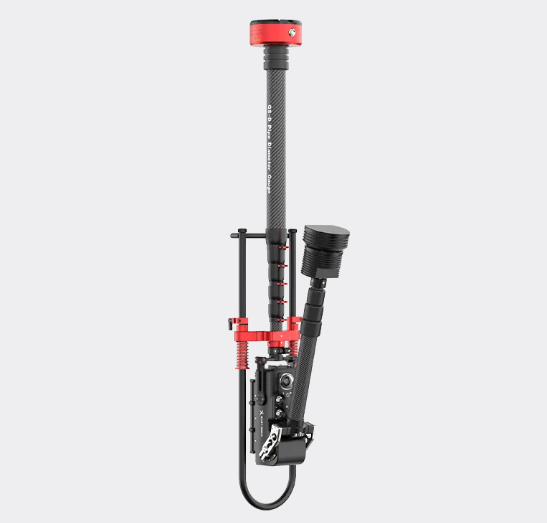
    Key Features of a Drain Inspection Camera:

    • High-definition camera for clear imaging

    • Flexible push cable to reach bends and turns

    • Waterproof and durable construction

    • Real-time video transmission

    • Adjustable LED lights for visibility in dark pipes
    QQ_1773992226713.png

    How Does a Drain Inspection Camera Work?

    A drain inspection camera works on a simple but highly effective principle. The process involves three main components: the camera head, the push cable, and the monitor or recording device.

    1. Camera Head: The camera is usually small, waterproof, and equipped with LED lights to illuminate dark pipe interiors. It captures high-resolution video as it moves through the pipe.

    2. Push Cable or Reel: The camera is attached to a flexible cable that allows it to navigate long pipelines and tight bends. The operator can push, pull, or rotate the cable to inspect the entire drainage system.

    3. Monitor or Recording Device: The live video feed from the camera head is displayed on a monitor or mobile device. Advanced systems allow recording and image capture for documentation or further analysis.

    Some modern cameras also include features like pan-and-tilt heads, remote-controlled movement, and sonar sensors to enhance inspection capabilities.

    Step-by-Step Process:

    • Insert the camera into the drain or sewer access point

    • Push the camera along the pipe while observing the monitor

    • Identify blockages, cracks, or corrosion

    • Record findings for repair planning or insurance purposes

    Types of Drain Inspection Cameras

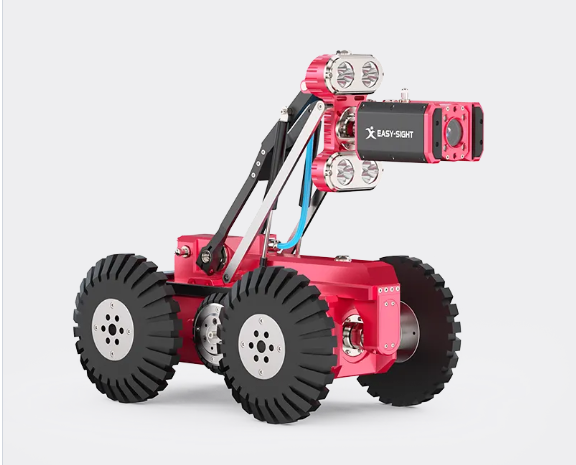
    There are several types of drain inspection cameras available, each suited for different applications:

    1. Handheld or Portable Drain Cameras

    These compact devices are ideal for homeowners or small plumbing jobs. They are lightweight, easy to use, and usually come with a built-in monitor.

    2. Reel-Based Sewer Cameras

    These cameras use a long push cable wound on a reel, suitable for inspecting longer pipelines, municipal sewer lines, and commercial plumbing systems.

    3. Push Rod Cameras

    These cameras feature a semi-rigid rod that allows for easier navigation through bends and turns in residential or commercial pipes.

    4. Wi-Fi or Smartphone-Connected Cameras

    Modern sewer cameras can connect to mobile devices via Wi-Fi or Bluetooth. This feature allows real-time viewing, recording, and sharing of inspection videos with clients or colleagues.
    QQ_1773992246411.png

    Benefits of Using a Drain Inspection Camera

    Using a drain inspection camera offers numerous advantages for both professionals and homeowners:

    • Accurate Diagnosis: Pinpoints the exact location and nature of blockages or damage

    • Time and Cost Savings: Reduces the need for digging or dismantling pipes

    • Documentation: Provides recorded footage for maintenance records or insurance claims

    • Preventive Maintenance: Helps detect early signs of pipe deterioration before major problems occur

    • Non-Invasive: Allows inspection without damaging floors, walls, or landscaping

    Applications of Drain Inspection Cameras

    Drain inspection cameras are versatile tools used in various fields:

    • Residential Plumbing: Detect clogged drains, tree root intrusion, or pipe corrosion

    • Commercial Plumbing: Inspect large-scale drainage systems in office buildings, hotels, and restaurants

    • Municipal Sewers: Evaluate the condition of city sewer lines to plan maintenance and repairs

    • Construction: Ensure newly installed pipelines are free of defects before project handover

    • Industrial Facilities: Monitor and maintain chemical or wastewater pipelines

    By using reliable equipment like Easy-Sight cameras, professionals can streamline inspections and improve repair accuracy.

    333.jpg

    Tips for Effective Drain Inspections

    • Always choose a camera suitable for the pipe diameter and length

    • Use LED lighting to ensure clear video in dark or murky pipes

    • Keep the camera clean and well-maintained for accurate results

    • Record inspection footage for reference and client reports

    • Combine camera inspections with other tools like hydro jetting for comprehensive plumbing care

    Common Problems Identified by Drain Cameras

    A drain inspection camera can reveal a wide range of plumbing issues, including:

    • Pipe blockages from debris, grease, or foreign objects

    • Cracks, fractures, or collapsed pipes

    • Corrosion or rust in metal pipes

    • Tree root intrusion in underground drains

    • Leaks and joint failures

    • Misaligned or improperly installed pipes

    Early detection of these problems allows for timely repairs, preventing expensive water damage or major plumbing failures.

    Conclusion

    A drain inspection camera is a game-changer in modern plumbing, providing a non-invasive, accurate, and efficient way to inspect pipes and drains. From residential blockages to large municipal sewer lines, these cameras offer valuable insights, saving time, money, and effort.

    Brands like Easy-Sight have made drain inspections even more reliable with high-quality, easy-to-use camera systems. Whether you are a professional plumber or a homeowner looking to maintain your plumbing system, investing in a drain inspection camera is a smart decision that ensures safety and long-term cost savings.

    FAQs

    Q1: Can a drain inspection camera be used for all types of pipes?
    A1: Most drain inspection cameras are versatile and can inspect PVC, metal, or clay pipes. Ensure the camera size matches the pipe diameter.

    Q2: How far can a drain inspection camera reach?
    A2: The reach depends on the type of camera. Handheld cameras are limited to short distances, while reel-based cameras can inspect pipes hundreds of feet long.

    Q3: Is professional training required to use a drain camera?
    A3: While some cameras are user-friendly, proper training improves efficiency and prevents damage to the equipment.

    Q4: Can the camera detect all types of blockages?
    A4: Yes, most modern drain inspection cameras can identify debris, grease, mineral buildup, and tree root intrusions.

    Q5: How much does a drain inspection camera cost?
    A5: Prices vary based on type, features, and brand. Handheld cameras are more affordable, while high-end reel-based or Wi-Fi cameras cost more but offer advanced functionalities.

    Latest News

    • Mar.20,2026

      What is a Drain Inspection Camera & How Does it Work?

      Discover what a drain inspection camera is, how it works, and why it's essential for plumbing maintenance. Learn about different types of sewer cameras and how Easy-Sight makes drain inspections efficient and reliable.

    • Mar.20,2026

      Pipeline Inspection Cameras: Types and Uses Explained

      Discover the different types of pipeline inspection cameras, how they work, and their practical uses in sewer, plumbing, and industrial pipeline inspection. Learn how modern pipeline inspection camera systems improve accuracy, efficiency, and maintenance.

    • Dec.05,2025

      Overcoming Challenges Faced by Pipe Crawler Robots in Navigating Complex Pipe Networks

      In recent years, the use of pipe crawler robots has become increasingly prevalent in various industries such as oil and gas, water management, and construction. These innovative robots are designed to navigate through intricate pipe networks with ease, carrying out inspections, maintenance, and repairs efficiently. However, despite their advanced capabilities, pipe crawler robots face several challenges when operating in complex pipe networks. In this blog post, we will explore some of the common obstacles faced by these robots and how engineers are working to overcome them.

    Get Friendly Advice, Tailored to You!

    Related Products

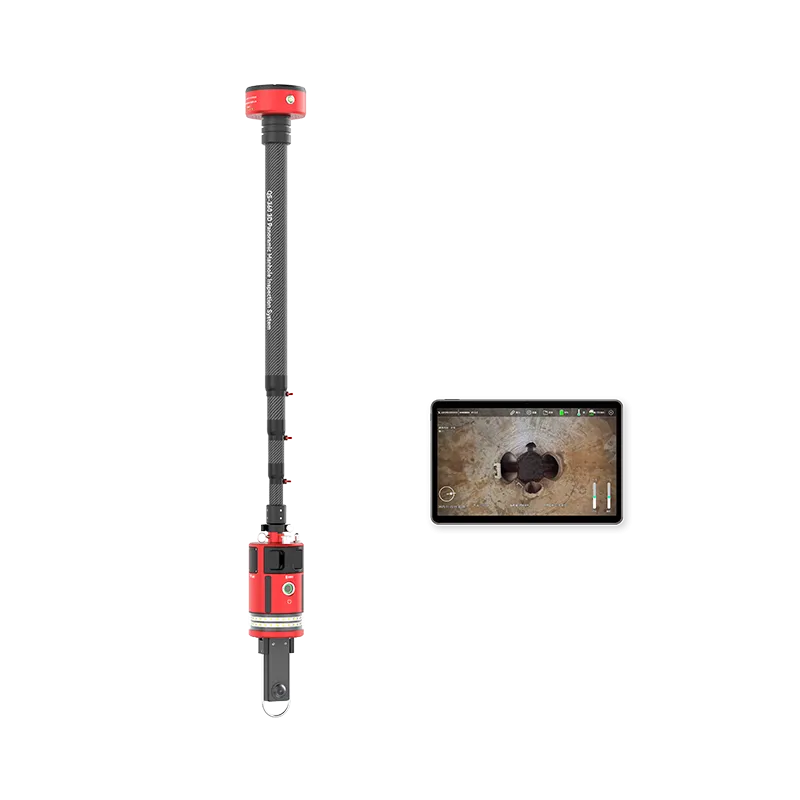
    QS-360 3D Panoramic Surveying System

    The QS-360 3D Panoramic Surveying System is a handheld inspection device capable of rapidly and accurately detecting defects and other parameters in inspection wells. The system consists of a 360° panoramic camera, a control rod, and a control system. 

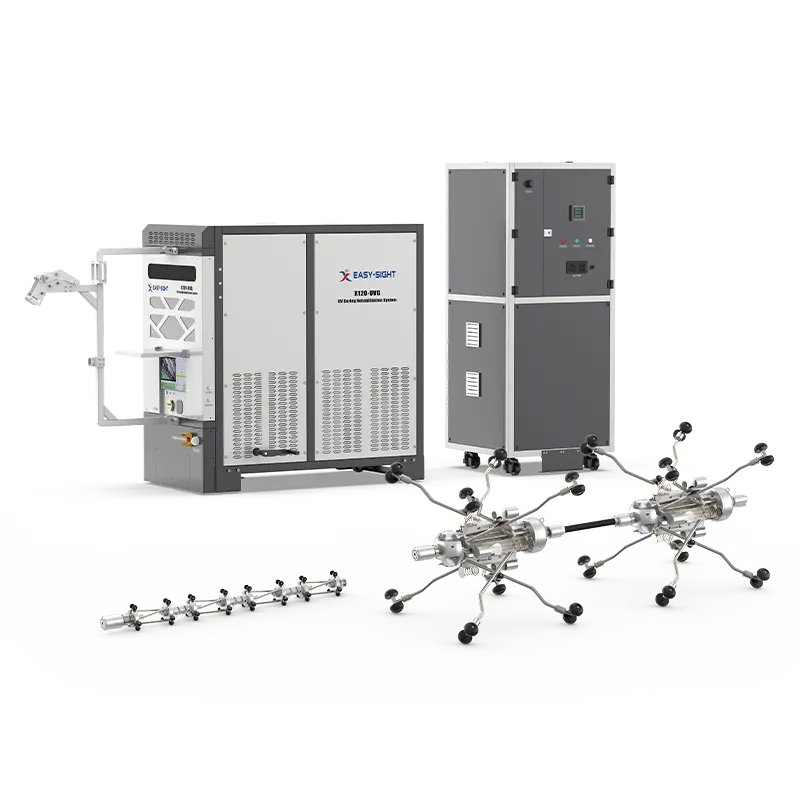
    X120-UVG Drainage Pipeline Rehabilitation System

    The X120-UVG is a drainage pipeline rehabilitation system equipped with a mercury lamp source, integrating a generator, air blower, power system, control system, cable reel, UV lamp frame, camera, sealing head, and air pipes. 


    Utilizing advanced UV curing technology, it is designed for trenchless UV rehabilitation of municipal pipelines ranging from DN200 to DN2000mm.

    X120-UV-MINI UV Curing Rehabilitation Vehicle

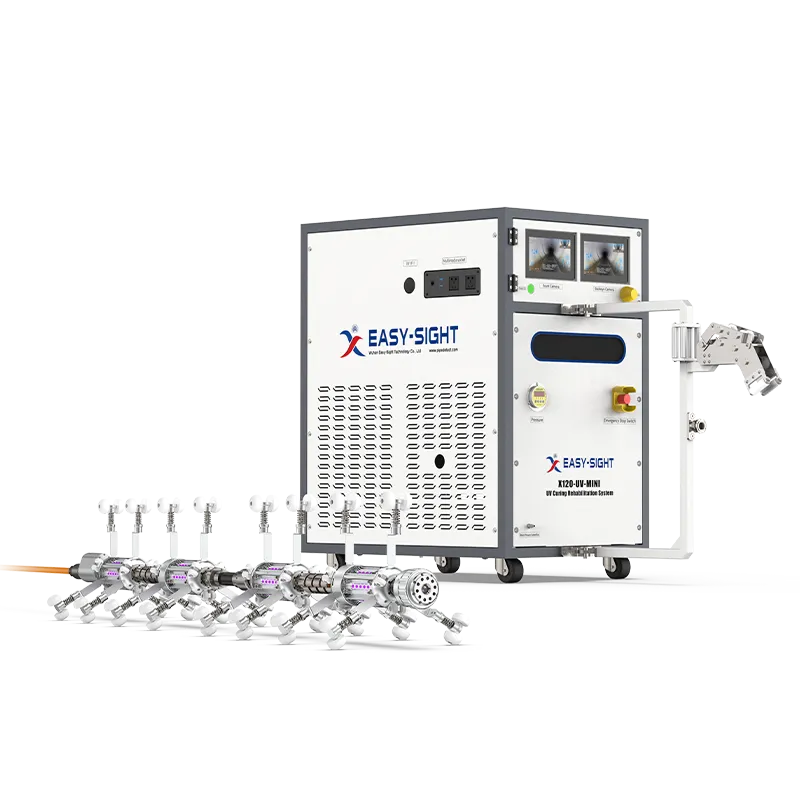
    The X120-UV-MINI UV Curing Rehabilitation Vehicle integrates specialized systems including the power system, UV control system, UV lamp frame system, video monitoring system, pipeline pressure regulation system, and pipeline cooling system. 


    Utilizing advanced UV curing technology, it is designed for trenchless rehabilitation of pipelines ranging from DN150 to DN600mm. Its compact design enables efficient operation in narrow spaces such as old residential areas.

    X120-UV-SUPER UV Curing Rehabilitation System

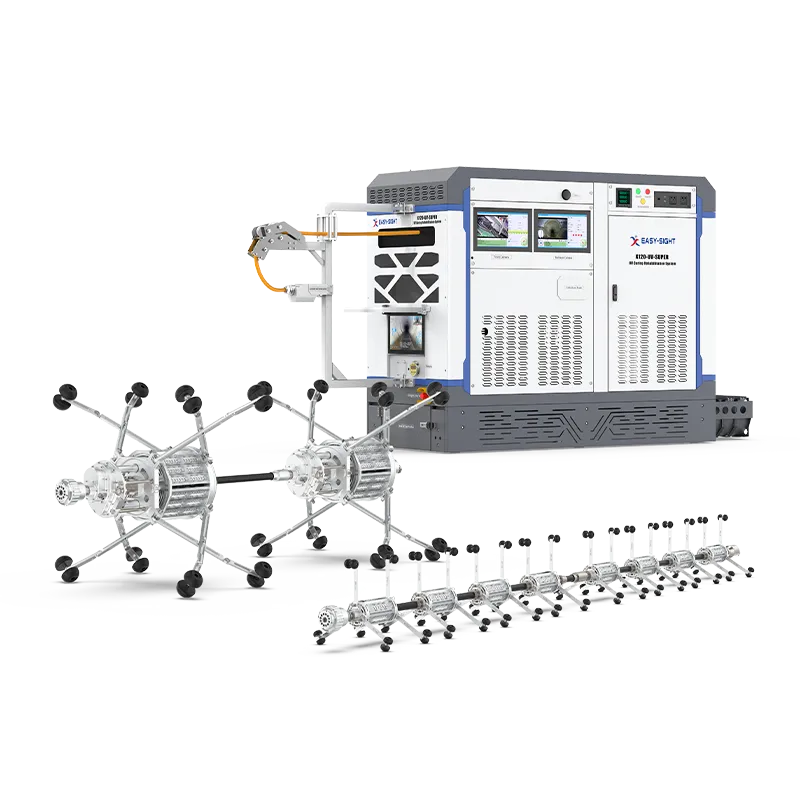
    The X120-UV-SUPER UV Curing Rehabilitation System consists of specialized equipment, including a power system, UV rehabilitation control system, UV lamp frame system, video monitoring system, pipeline pressure adjustment system, and cold air cabinet. 


    Utilizing advanced ultraviolet curing technology, it is primarily designed for trenchless UV curing rehabilitation of municipal pipeline facilities with diameters ranging from DN200 to DN1600.

    X120-ZD Targeted Point Repair System

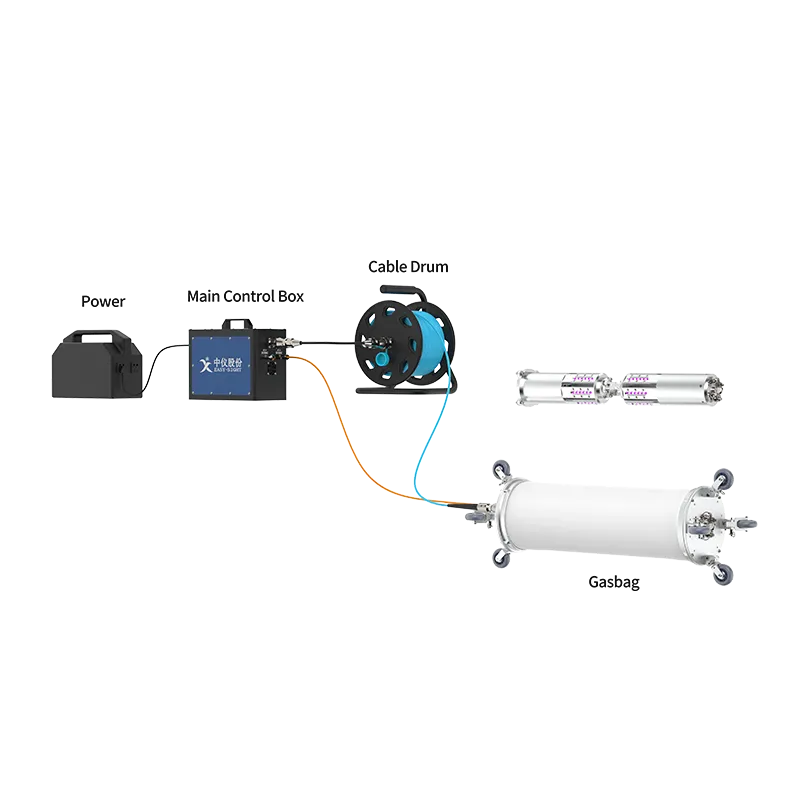
    The X120-ZD Targeted Point Repair System consists of a control box, cable reel, light source assembly, and four specifications of airbags. It is designed for localized defect repair in drainage pipelines with diameters ranging from DN200 to DN600mm. 


    Compact and portable, the system achieves precise repair of a single defect point within 7 minutes. The foldable airbags enable simple, quick installation and disassembly.

    X5-HW1000 Pipeline CCTV Inspection Robot

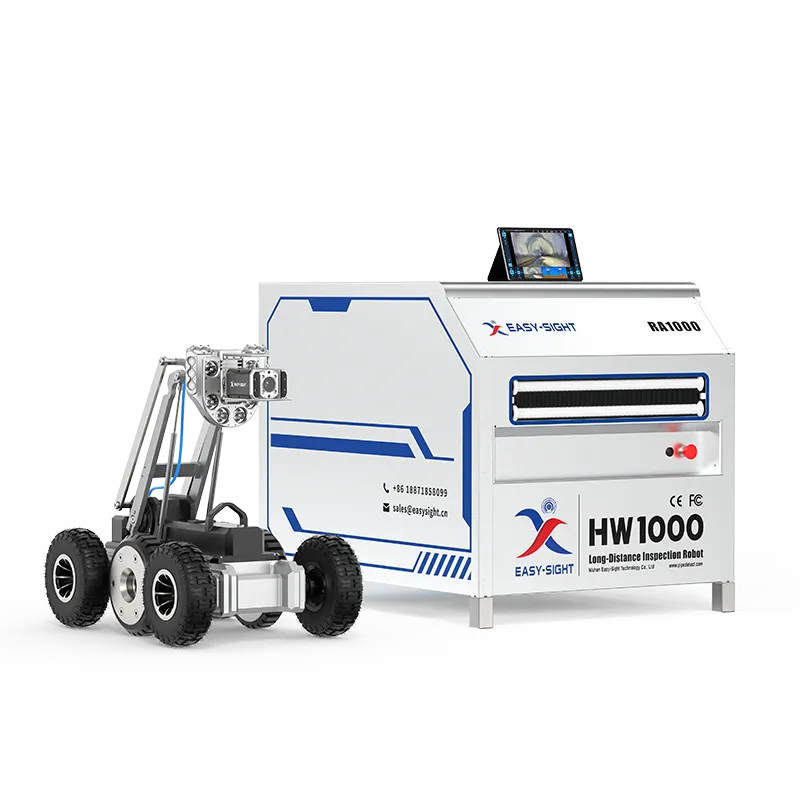
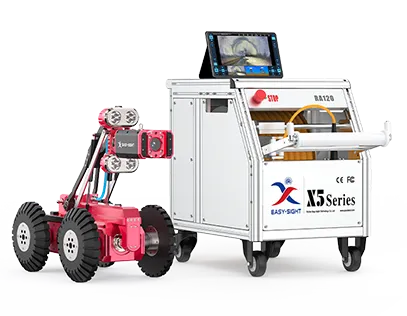
    The X5-HW1000 pipeline CCTV inspection robot is designed for large-diameter, long-distance drainage pipelines, with an applicable pipe diameter range of 500mm-3000mm and an inspection distance of up to 1050m. 


    Its most notable feature is its long single-inspection distance, solving the problem of traditional pipeline inspection robots being unable to inspect long-distance pipelines.

    Let's Talk About Your Project

    • Afghanistan
    • Albania
    • Algeria
    • American Samoa
    • Andorra
    • Angola
    • Anguilla
    • Antarctica
    • Antigua and Barbuda
    • Argentina
    • Armenia
    • Aruba
    • Australia
    • Austria
    • Azerbaijan
    • Bahamas
    • Bahrain
    • Bangladesh
    • Barbados
    • Belarus
    • Belgium
    • Belize
    • Benin
    • Bermuda
    • BBhutan
    • Bolivia
    • Bosnia and Herzegovina
    • Botswana
    • Bouvet Island
    • Brazil
    • British Indian Ocean Territory
    • Brunei Darussalam
    • Bulgaria
    • Burkina Faso
    • Burundi
    • Cambodia
    • Cameroon
    • Canada
    • Cape Verde
    • Cayman Islands
    • Central African Republic
    • Chad
    • Chile
    • China
    • Christmas Island
    • Cocos (Keeling) Islands
    • Colombia
    • Comoros
    • Congo
    • Cook Islands
    • Costa Rica
    • Cote D'Ivoire
    • Croatia
    • Cuba
    • Cyprus
    • Czech Republic
    • Denmark
    • Djibouti
    • Dominica
    • East Timor
    • Ecuador
    • Egypt
    • El Salvador
    • Equatorial Guinea
    • Eritrea
    • Estonia
    • Ethiopia
    • Falkland Islands (Malvinas)
    • Faroe Islands
    • Fiji
    • Finland
    • France, Metropolitan
    • French Guiana
    • French Polynesia
    • Gabon
    • Gambia
    • Georgia
    • Germany
    • Ghana
    • Gibraltar
    • Greece
    • Greenland
    • Grenada
    • Guadeloupe
    • Guam
    • Guatemala
    • Guinea
    • Guinea-Bissau
    • Guyana
    • Haiti
    • Honduras
    • Hong Kong, China
    • Hungary
    • Iceland
    • India
    • Indonesia
    • Iran (Islamic Republic of)
    • Iraq
    • Ireland
    • Israel
    • Italy
    • Jamaica
    • Japan
    • Jordan
    • Kazakhstan
    • Kenya
    • Kiribati
    • North Korea
    • South Korea
    • Kuwait
    • Kyrgyzstan
    • Lao People's Democratic Republic
    • Latvia
    • Lebanon
    • Lesotho
    • Liberia
    • Libyan Arab Jamahiriya
    • Liechtenstein
    • Lithuania
    • Luxembourg
    • Macau
    • Madagascar
    • Malawi
    • Malaysia
    • Maldives
    • Mali
    • Malta
    • Marshall Islands
    • Martinique
    • Mauritania
    • Mauritius
    • Mayotte
    • Mexico
    • Micronesia
    • Moldova
    • Monaco
    • Mongolia
    • Montserrat
    • Morocco
    • Mozambique
    • Myanmar
    • Namibia
    • Nauru
    • Nepal
    • Netherlands
    • New Caledonia
    • New Zealand
    • Nicaragua
    • Niger
    • Nigeria
    • Niue
    • Norfolk Island
    • Northern Mariana Islands
    • Norway
    • Oman
    • Pakistan
    • Palau
    • Panama
    • Papua New Guinea
    • Paraguay
    • Peru
    • Philippines
    • Pitcairn
    • Poland
    • Portugal
    • Puerto Rico
    • Qatar
    • Reunion
    • Romania
    • Russian Federation
    • Rwanda
    • Saint Kitts and Nevis
    • Saint Lucia
    • Saint Vincent and the Grenadines
    • Samoa
    • San Marino
    • Saudi Arabia
    • Senegal
    • Seychelles
    • Sierra Leone
    • Singapore
    • Slovak Republic
    • Slovenia
    • Solomon Islands
    • Somalia
    • South Africa
    • Spain
    • Sri Lanka
    • St. Helena
    • Sudan
    • Suriname
    • Swaziland
    • Sweden
    • Switzerland
    • Syrian Arab Republic
    • Taiwan, China
    • Tajikistan
    • Tanzania
    • Thailand
    • Togo
    • Tokelau
    • Tonga
    • Trinidad and Tobago
    • Tunisia
    • Turkey
    • Turkmenistan
    • Turks and Caicos Islands
    • Tuvalu
    • Uganda
    • Ukraine
    • United Arab Emirates
    • United Kingdom
    • United States
    • Uruguay
    • Uzbekistan
    • Vanuatu
    • Vatican City State (Holy See)
    • Venezuela
    • Viet Nam
    • Virgin Islands (U.S.)
    • Wallis and Futuna Islands
    • Western Sahara
    • Yemen
    • Zambia
    • Zimbabwe
    • Montenegro
    • Serbia
    • Palestine
    • South Sudan
    • Jersey
    sales@easysight.cn
    +86 188 7185 8099