How can we help you?
Recent Searches Clear All
News
For the inspection, repair, operation, and digital management of urban water supply and drainage networks
Dec.05,2025
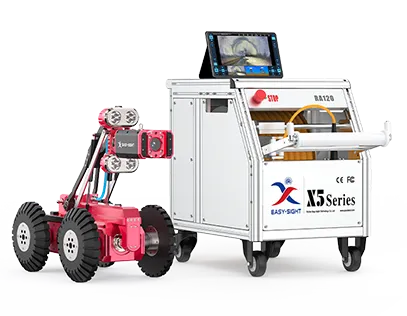
In modern industrial production, pipeline systems serve as crucial channels for material transportation and energy distribution, with their safety and stability directly affecting production efficiency and operational safety. However, due to the complex environments inside pipelines, traditional inspection methods often struggle to comprehensively and accurately identify issues. Industrial pipe inspection cameras, sophisticated devices integrating optics, mechanics, electronics, and image-processing technologies, address this challenge. Equipped with thin, flexible probes, these cameras can navigate complex and hard-to-reach pipeline interiors, enabling visual inspection and diagnostic assessments.
Introduction to Industrial Pipe Inspection Cameras
An industrial pipe inspection camera is a specialized tool designed to inspect, monitor, and maintain the internal conditions of industrial pipelines. Using advanced sensor technology, it transmits real-time, high-definition (HD) images of the pipeline interior to a monitor, allowing engineers to visually assess conditions without physical intervention.
Applications of Pipe Inspection Cameras
1. Timely Detection of Internal Pipeline Issues
Pipe inspection cameras efficiently identify problems such as inner wall damage, corrosion, cracks, and foreign object blockages. Left unaddressed, these issues can lead to leaks, blockages, or safety incidents. By enabling proactive inspections, operators can resolve potential risks early, ensuring pipeline integrity and preventing accidents.
2. Enhanced Inspection Efficiency
Unlike traditional methods like manual patrols or acoustic tapping, industrial CCTV pipe inspection cameras eliminate the need for pipeline disassembly, reducing labor costs and avoiding disassembly-related risks. The HD imaging capabilities of these devices provide intuitive, real-time visuals, significantly streamlining the inspection process.
3. Ensuring Production Safety
In industries such as chemicals, petroleum, food, and pharmaceuticals, pipeline safety is critical. Regular inspections with pipe cameras allow operators to detect abnormalities early, preventing production halts, safety incidents, and financial losses caused by system failures.
4. Versatility Across Industries
Pipe inspection cameras are widely applicable for:
Assessing internal corrosion, wear, and cracks in pipelines.
Detecting foreign objects, fouling, and cleanliness levels in equipment.
Supporting pipeline maintenance and safety compliance.
EasySight Pipe Inspection Cameras: Innovation and Reliability
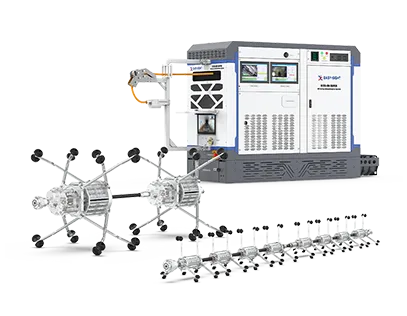
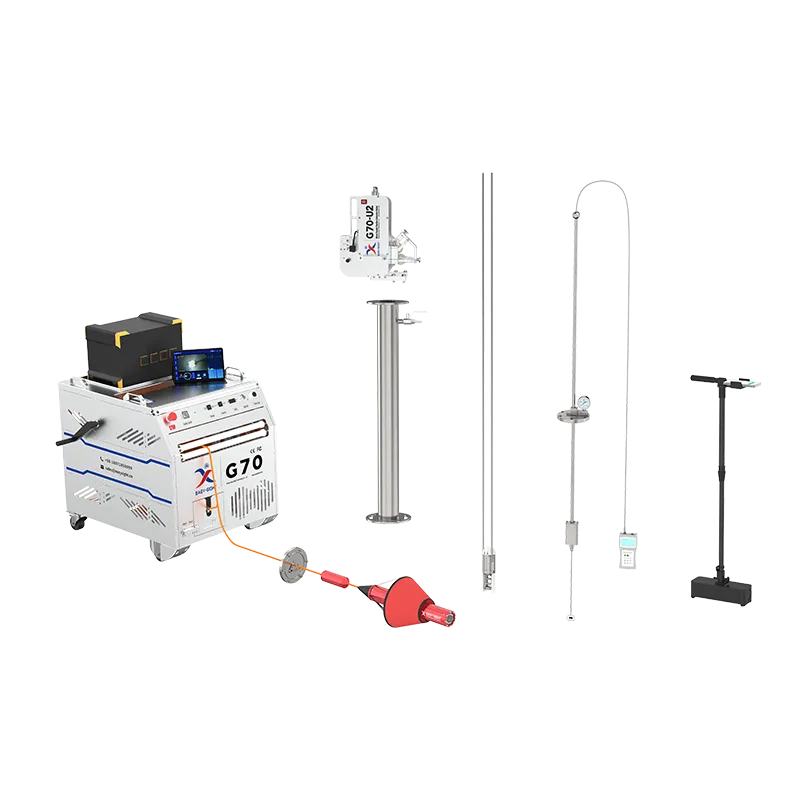
EasySight cameras have gained global recognition for their high-definition imaging, adaptability to harsh environments, precise positioning/measurement tools, intelligent data analysis, and durable, waterproof designs. Our commitment extends beyond hardware:
Pre-sales consultation to tailor solutions to your needs.
Timely after-sales support, including technical assistance and maintenance services.
Customizable inspection systems—contact our sales team for a tailored quote.
Smart Inspection for Data-Driven Decisions
Beyond defect detection, EasySight cameras collect detailed pipeline data (e.g., inner diameter, defect dimensions, depth) critical for assessing pipeline lifespan, planning maintenance, and informing management strategies.
EasySight– Guardians of Urban Lifelines
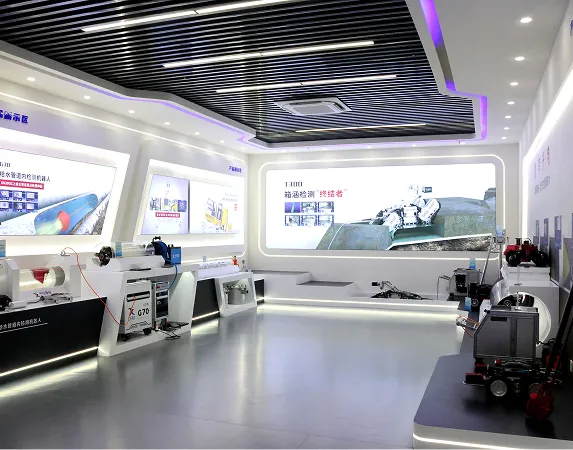
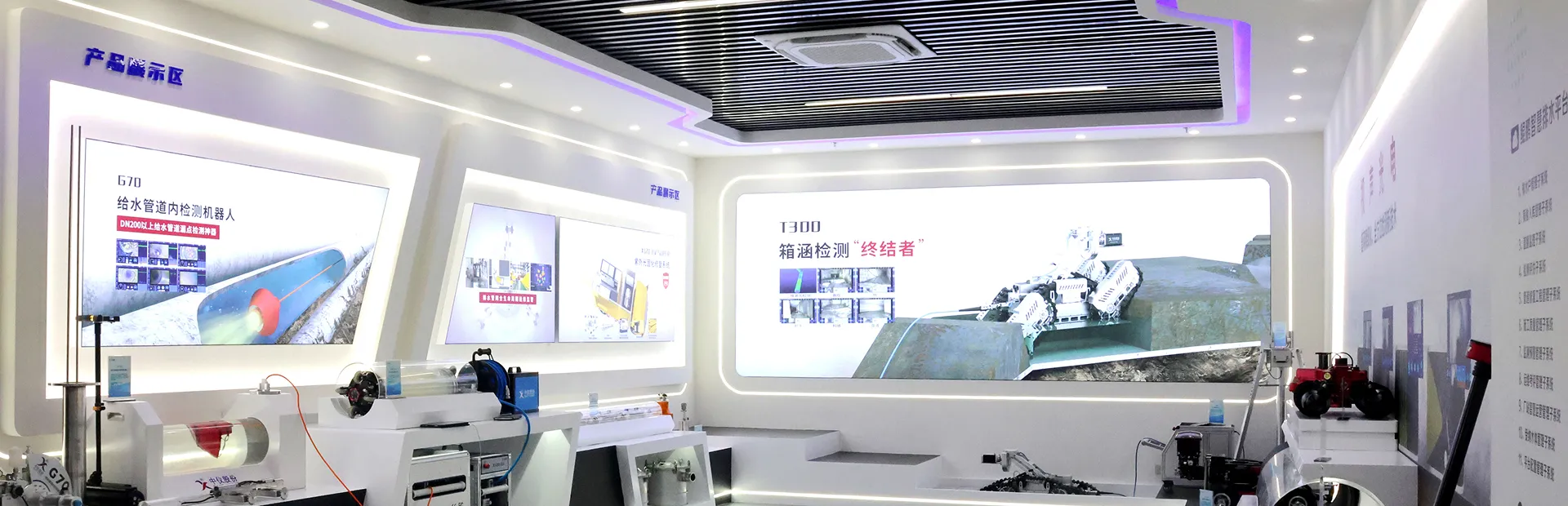
Empowering cities with IoT-driven innovations to protect every inch of their underground infrastructure. A global pioneer in digital HD CCTV pipeline robots and China's first developer of trenchless rehabilitation equipment, we redefine pipeline lifecycle management. From precision-mapping detection systems to UV-CIPP solutions extending pipeline life by decades, our integrated technology stack streamlines detection, assessment, and repair. Backed by 180+ patents, global certifications, and strategic partnerships—including state-backed investments—we ensure resilient, future-proof urban pipelines.
Connect with us on Facebook, Linkedin, X, YouTube& TikTok for the latest insights, tech breakthroughs, and industry collaborations.
Latest News
Sep.18,2026
Common Problems Detected by Modern Pipe Inspection Equipment
Sep.17,2026
Pipe Inspection Equipment Cost Factors: What Affects the Investment?
Sep.16,2026
Pipe Inspection Equipment Selection Guide for Different Pipeline Diameters
Get Friendly Advice, Tailored to You!
Let's Talk About Your Project