How can we help you?
Recent Searches Clear All
News
For the inspection, repair, operation, and digital management of urban water supply and drainage networks
Jun.25,2026
In municipal stormwater and sewer network trenchless rehabilitation, UV-CIPP (UV light-cured in-place pipe) technology often raises a common concern: does the liner reduce the internal diameter of the pipe and affect drainage capacity, especially during peak rainfall events? Based on the technical specification Technical Specification for CIPP Rehabilitation Engineering (T/CECS 559) and field measured data, this article briefly explains the reality of diameter reduction, its actual impact, and control methods to address this industry-wide question.
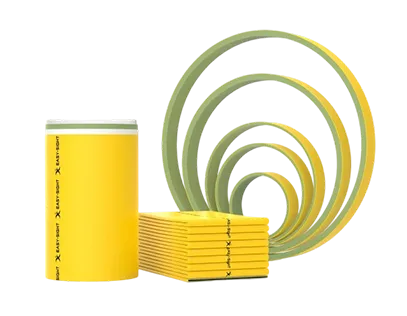
UV-CIPP is a typical “pipe-in-pipe” rehabilitation method. It involves inserting a resin-impregnated fiberglass liner into the existing pipe, which is then cured to form a new structural pipe inside the host pipe. Therefore, some reduction in internal diameter is inevitable.
The reduction can be calculated as:
Actual internal diameter reduction = 2 × liner wall thickness
Based on common municipal construction parameters, the typical reduction ranges are:
DN150–DN400 laterals: structural wall thickness 4–6 mm → diameter reduction 8–12 mm
DN500–DN800 main lines: structural wall thickness 6–8 mm → diameter reduction 12–16 mm
DN800 and above large-diameter pipes: diameter reduction generally ≤ 20 mm
From a numerical standpoint, this level of reduction falls within acceptable standards defined by relevant codes and is considered negligible in most engineering applications.
Most concerns focus only on internal diameter, while ignoring hydraulic roughness — the key factor affecting flow capacity.
Old pipelines (concrete, corrugated pipes, or aging systems) often suffer from scaling, corrosion, and joint misalignment. Their Manning roughness coefficient is typically around 0.014.
UV-cured fiberglass liners form a smooth, seamless internal surface with a coefficient of approximately 0.010, reducing flow resistance by nearly 40%, which significantly improves flow velocity.
Damaged pipelines often contain root intrusion, pipe collapse, offset joints, or internal protrusions. These defects create localized blockages and are the real cause of drainage inefficiency.
The liner restores a continuous and smooth flow path, effectively eliminating these bottlenecks and improving overall hydraulic performance.
Field data shows that even with slight diameter reduction, the improved smoothness and removal of internal defects often result in equal or even higher flow capacity compared to the original damaged pipe.
Excessive or uneven diameter loss is usually caused by poor inspection and improper installation. It can be controlled through standardized procedures:
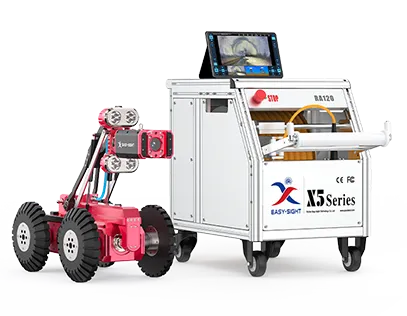
Using CCTV inspection robots, internal pipe conditions are evaluated in advance. High spots, burrs, and offsets are ground and cleaned to ensure proper liner contact and prevent wrinkles or voids that may increase thickness locally.
Low-pressure pre-inflation: removes wrinkles and initial deformation
High-pressure stabilization: ensures uniform expansion and proper fit against the pipe wall
This prevents over-stretching or localized material buildup, ensuring consistent wall thickness and avoiding bulging.
In conclusion, UV light-cured pipe rehabilitation does cause a slight reduction in internal diameter, but it does not negatively affect drainage performance under normal conditions:
Diameter reduction is typically within 20 mm and complies with engineering standards
Improved internal smoothness significantly reduces hydraulic resistance
The overall flow capacity after rehabilitation is often better than that of the original damaged pipe
With proper CCTV inspection, optimized liner thickness design, and standardized installation procedures, abnormal or excessive diameter reduction can be effectively avoided.
Latest News
Sep.18,2026
Common Problems Detected by Modern Pipe Inspection Equipment
Sep.17,2026
Pipe Inspection Equipment Cost Factors: What Affects the Investment?
Sep.16,2026
Pipe Inspection Equipment Selection Guide for Different Pipeline Diameters
Get Friendly Advice, Tailored to You!
Let's Talk About Your Project